Mainspring Conservation Trust

Stewards of the Southern Blue Ridge

Buy MerchDonate
  • About
    • Our Story
    • Board of Directors
    • Our Staff
    • Our Projects
    • News
    • Publications
  • What We Do
    • Where We Work
    • What Is A Land Trust?
    • Land Conservation
    • Brownfield Remediation
    • Stream Restoration
    • Youth Environmental Education
    • Aquatic Biomonitoring
    • Cultural Heritage
    • WNC Wildseed Library
      • Wildseed Library FAQs
  • Get Involved
    • Conserve Your Property
    • Events
    • Get Outside
    • Visit Our Properties
    • Volunteer
    • Ways to Support
  • Contact

Mainspring and OSI Save More than 4,400 Acres Across the Snowbird, Unicoi and Cheoah Mountain Ranges

June 2, 2026

Snowbird Effort Yields Wealth of Benefits for Recreation, Wildlife, and Clean Water

CHEROKEE, GRAHAM, AND SWAIN COUNTIES, N.C. (June 1, 2026) – Open Space Institute (OSI) and Mainspring Conservation Trust (Mainspring) have announced the conservation of more than 4,400 acres across the Snowbird, Unicoi and Cheoah mountain ranges. The multi-year project comprises a patchwork of 17 parcels connecting more than 1.65 million acres of ecologically rich public lands in a region of national conservation significance.  
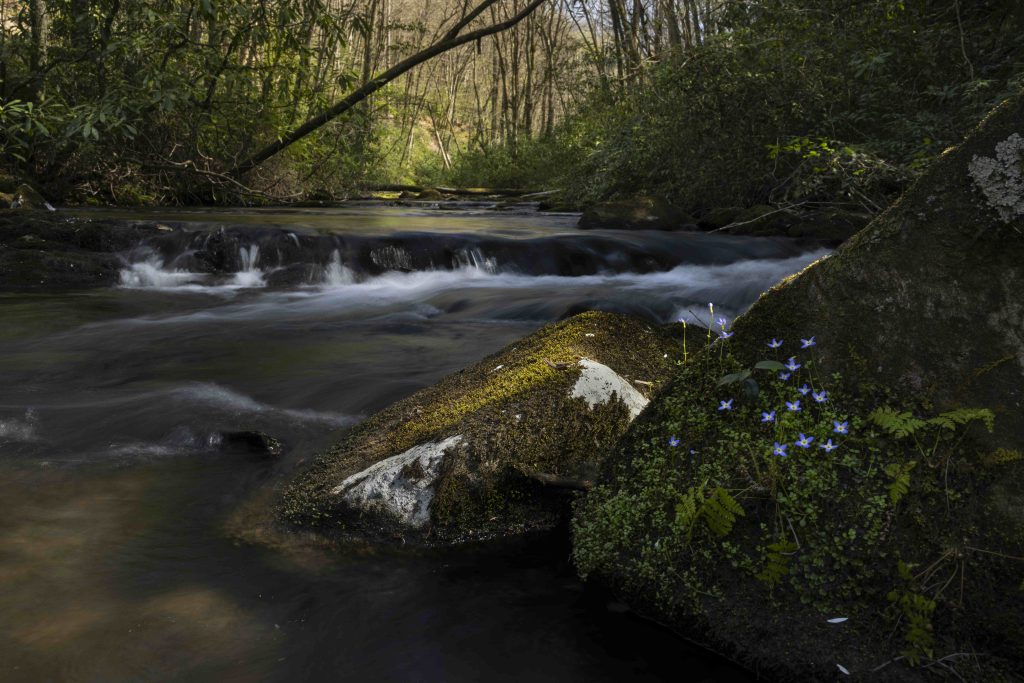
Photo: Mac Stone, OSI

Long regarded by the State of North Carolina and the U.S. Forest Service (USFS) as a top conservation priority, this assemblage forms crucial connections among protected landscapes that stretch across three states. With shared boundaries, connected trails and viewshed impacts, this conservation project enhances protections for the Snowbird Wilderness Study Area, the Cherohala Skyway, and the Appalachian Trail.

Mainspring Executive Director Jeremy Hyatt said the effort has been years in the making. “These properties were among the most significant remaining private lands in the Southern Blue Ridge,” he said. “After nearly a decade of effort, securing them together is a big win for clean water, wildlife, and mountain heritage. We’re grateful to our partners at OSI and the many funders who helped make it possible.”

“The rugged and beautiful Snowbird project perfectly demonstrates ‘how’ and ‘why’ OSI is showing up in the southern Appalachian region,” said Dr. Maria Whitehead, OSI’s Senior Vice President of Land. “The project protects critical natural resources while providing exceptional new recreational opportunities and could only have been accomplished with savvy partners and dedicated funders. We are extraordinarily grateful to Mainspring, the Wildlife Resource Commission, USFS and our funding partners because this landscape deserves nothing less than our best efforts!”
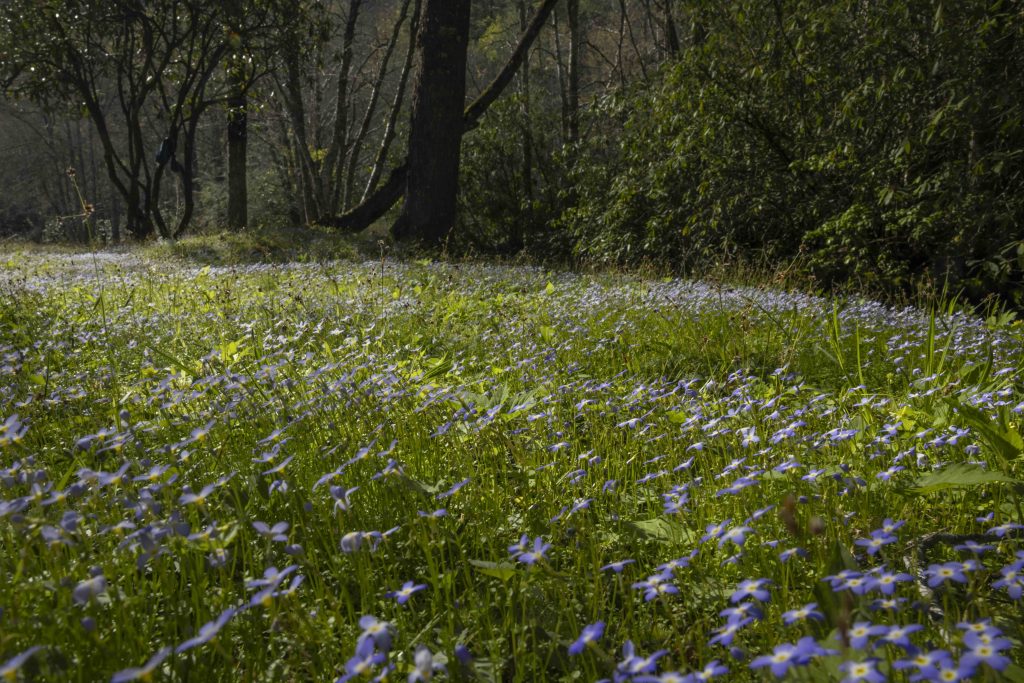
Photo: Mac Stone, OSI

The Snowbird properties had been increasingly threatened by encroaching development. OSI and Mainspring completed the $23.3 million acquisition in early 2026, and will transfer the properties to the State of North Carolina and the USFS between 2026 and 2029. The properties will not be open to the public until transferred and prepared for public use, but once under state and federal ownership and management, traditional recreational uses like hunting and fishing will be preserved.

The North Carolina Wildlife Resources Commission (NCWRC), which manages more than two million acres across the state, commended Mainspring and OSI on the project. “The protection of the Snowbird properties is a remarkable achievement that strengthens the entire region of conserved lands,” said Tom Berry, Chairman of the Land Acquisition and Property Committee for NCWRC. “We commend the Open Space Institute and Mainspring Conservation Trust for their leadership and for laying the groundwork for expanded wildlife-associated recreation opportunities. Through the stewardship of the Commission, these lands will be opened to everyday people to enjoy hunting, fishing, birdwatching, and a wide range of outdoor activities, ensuring they remain a vital part of North Carolina’s outdoor heritage for generations to come.”

The Snowbird properties feature prominent ridgetops, healthy forests, open meadows and more than 17 miles of headwater streams that provide habitat for a diversity of flora and fauna. This landscape supports state- and federally endangered bat species, several threatened plant types, and species of conservation concern, including the Golden-winged Warbler. Abundant trout streams and high-quality waters protect aquatic habitat and provide clean drinking water for downstream communities, as several tracts lie within municipal water-supply watersheds. 
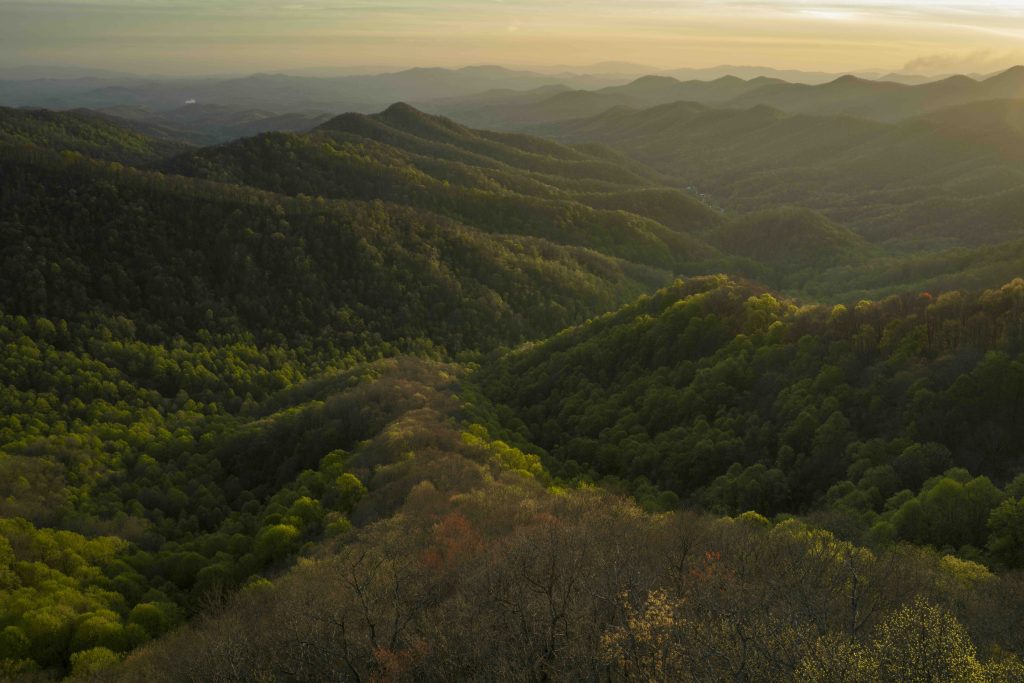
Photo: Mac Stone, OSI

As part of the Blue Ridge Mountains, the landscape contains some of the most biologically diverse forested regions in North America, home to thousands of native wildlife species and more than 100 tree species, including stunning eastern hemlock specimens. This region supports a vast corridor of intact wildlife habitat—the large, unfragmented blocks of land that are essential for species to migrate, thrive, and adapt to the impacts of extreme weather and changing weather patterns. According to OSI’s analysis, the area holds the highest rank possible for greenhouse gas emission absorption and storage: the landscape’s varied forest types and high-quality soils are a carbon stronghold, in addition to protecting wildlife food and water sources. Under the state’s management and stewardship, the properties will continue to perform these vital functions, providing cleaner air and supporting healthy ecosystems.

Support for the Snowbird conservation project came from the USFS Forest Legacy Program, Fred and Alice Stanback, Brad and Shelli Stanback, Knobloch Family Foundation, National Fish and Wildlife Foundation’s Acres for America Program, Mike Leonard, The Nature Conservancy, Ron Thurman, Appalachia Rising, Appalachian Trail Conservancy, Conservation Trust for North Carolina, OSI’s Appalachian Landscapes Program, NC Land and Water Fund, and the Foundation for the Carolinas.
Filed Under: News, Press Room Tagged With: App Trail, Cherokee County, conservation, Graham County, land conservation, land purchase, Snowbird, Swain County

Under Cover – A Mainspring Project

January 7, 2026

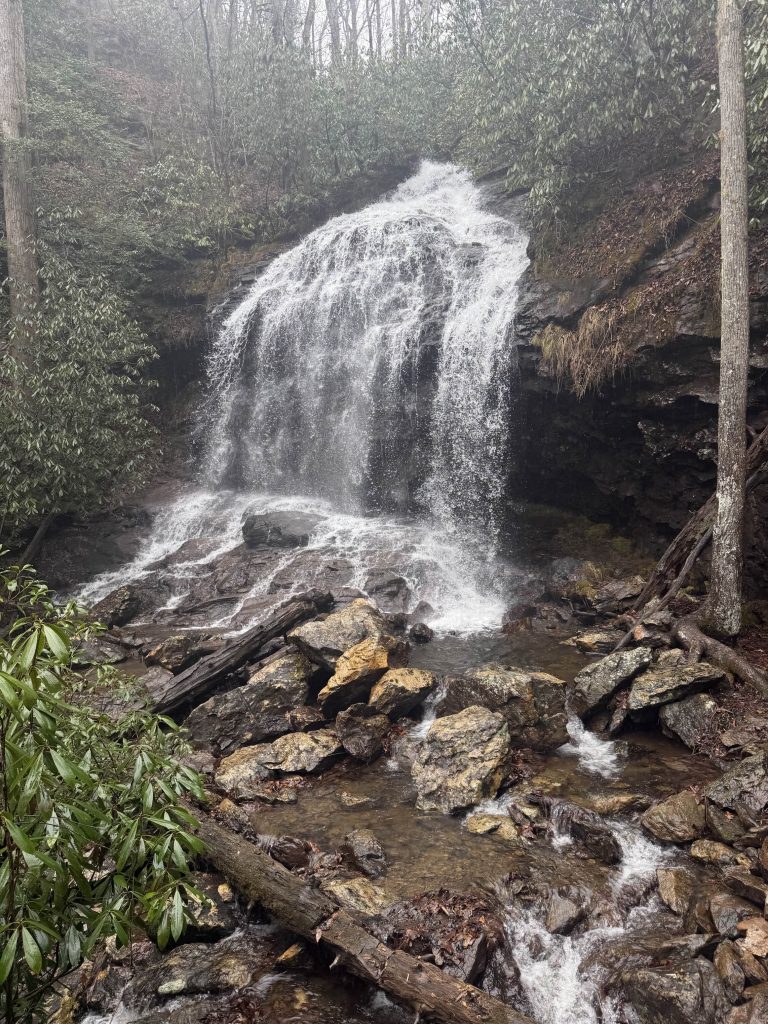
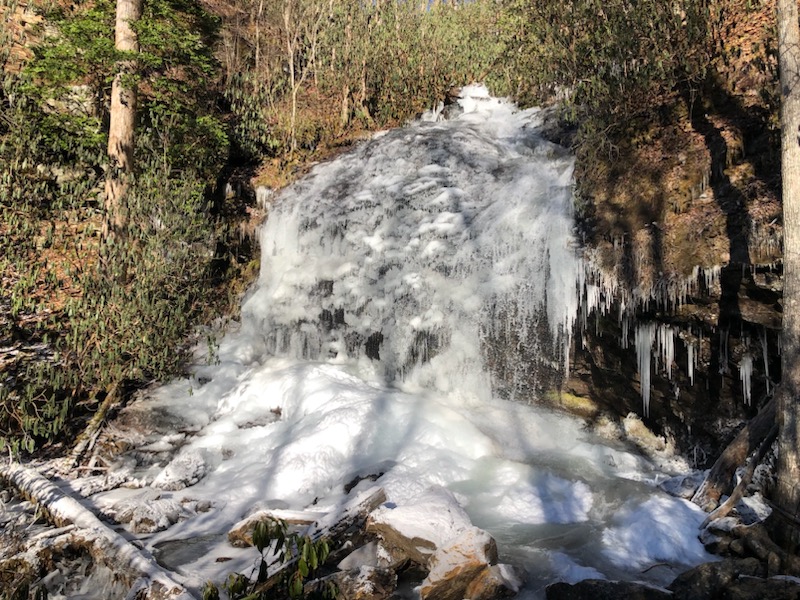
Tucked just a mile outside the heart of Andrews, North Carolina, a 30-foot veil of water tumbles down a mossy cliff into the trout-rich waters of Britton Creek. Cover Falls isn’t marked on roadside signs or mapped in glossy guidebooks, but it’s a place locals know about — and it’s worth venturing off the beaten path to find. 

Here, where the spray of the falls keeps the rocks damp year-round, rare wildflowers flourish. Wildlife moves freely between this property and the 30,000 acres of adjoining U.S. Forest Service land in the Snowbird Mountains. Beneath the surface, the cold, clean waters of Britton Creek shelter native brook trout and the endemic Valley River Crayfish, a species found nowhere else in the world. 

But the natural beauty of Cover Falls is only part of its story. The creek and the falls are named for Lillian Brittain Cover, an Andrews native and political pioneer who, just four years after women gained the right to vote, became a delegate to the 1924 Democratic Convention. She later broke barriers as the first woman to serve on North Carolina’s State Stream Commission, championing clean water and conservation decades before it was commonplace. The property also borders more than 2,200 feet of Tatham Gap Road, a segment of the Trail of Tears. 

Despite its many cultural and ecological values, this remarkable place recently came close to being lost. The previous owner had purchased the tract with plans for residential development, and with its proximity to downtown Andrews and other residences nearby, the threat of construction loomed large. Negotiations to protect the land came down to the wire, then intensified when another buyer made a higher offer. Although the owner preferred to conserve the land, they made it clear that if Mainspring’s deal fell through, the property would be developed. 

Happily, however, through support from some generous anonymous donors and other partners, the land is now permanently protected from private development under Mainspring’s ownership, to eventually be protected in perpetuity by a North Carolina Land and Water Fund conservation easement.  

The Cover Falls property will ultimately become Mainspring’s newest public preserve, complete with safe, well-marked trails, educational signage and an access area that honors both the area’s ecology and history. Visitors will soon be able to follow a loop trail dedicated to Lillian Brittain Cover, learn her story and experience the same natural wonders she once knew and fought to protect. 

“This project reflects one of Mainspring’s core commitments — conserving special places in ways that connect people to the land,” says Graham Garrett, Mainspring land conservation associate. “While there is sometimes a perception that land trusts ‘lock away’ land, Cover Falls is a great example of how conservation can create lasting public benefits. When my boys and I play at the base of the falls and feel the spray on our faces, I take pleasure in knowing that one day they may do the very same thing with their children.” 

Filed Under: News Tagged With: Cherokee County, conservation, land purchase, water

Ode to Long Man: When Ela Dam is gone, its history will remain

November 24, 2025

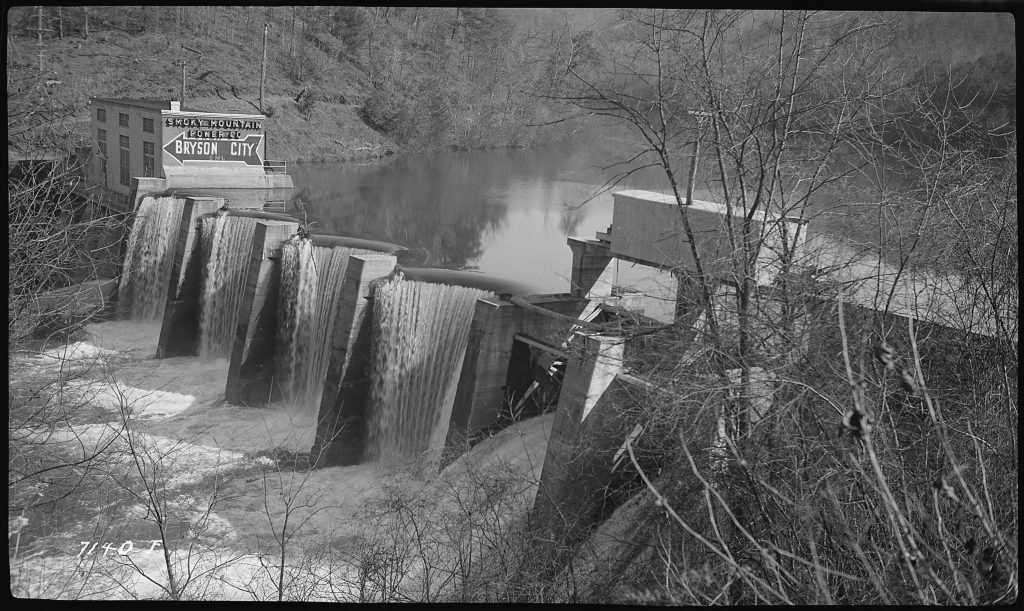
This Tennessee Valley Authority photograph shows the dam and powerhouse in 1939, while leased to the Smoky Mountain Power Company.

For centuries, the Oconaluftee River has carried more than water through the valleys of Swain County. It has carried stories — stories of Cherokee towns, families who fished its bends and visitors who once filled its roadside motels. Now, as the Ela Dam nears the end of its life, archaeologists Paul Webb and Kaley Kelly are helping ensure those stories are not lost.

Webb and Kelly recently developed a public “storyboard” on the history of Ela and its river. The report, which has been submitted to the North Carolina Historic Preservation Office, is technically about the dam, but Webb views it differently. “Although the project is about the dam, it’s really about the river,” he says. “The dam is just a small blip in the history of the Oconaluftee. The water was here long before, and it will be here long after.”

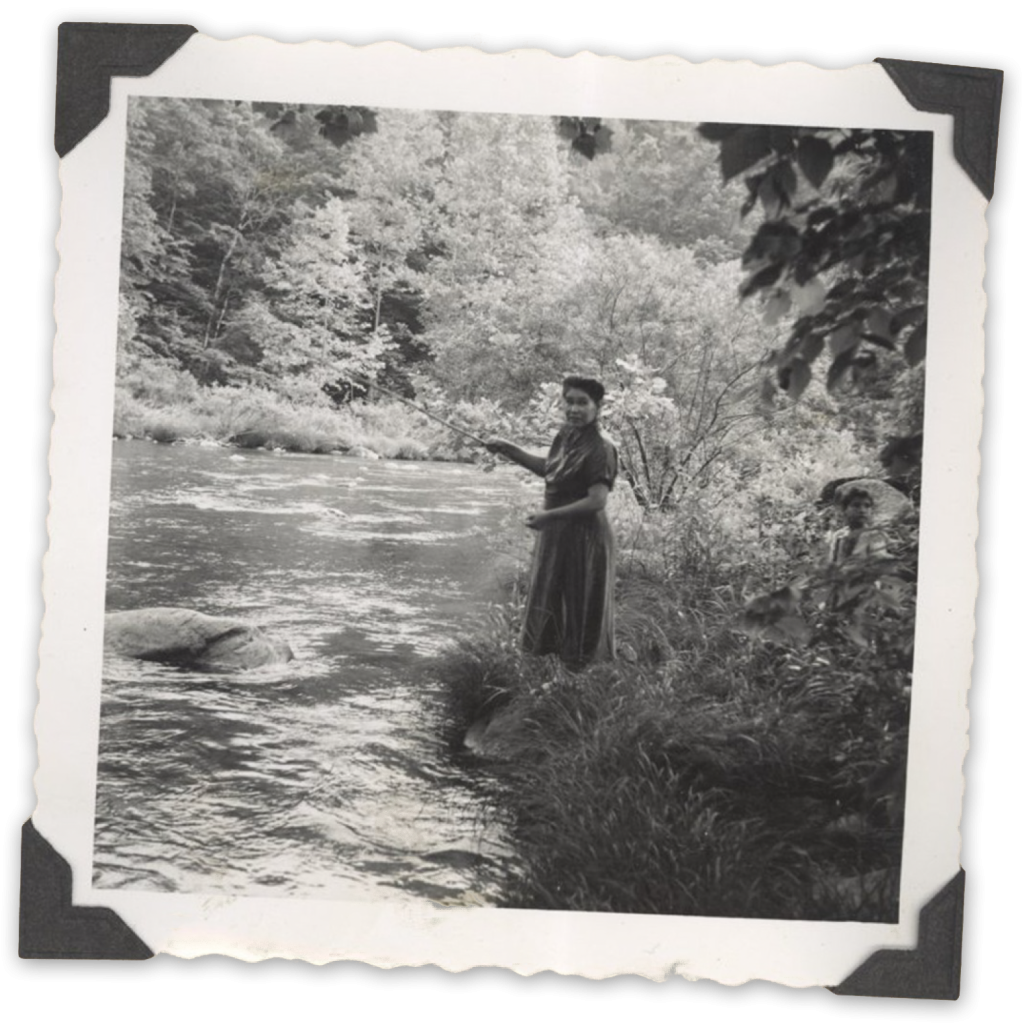
Helen Bradley of the Eastern Band of Cherokee Indians fishing along the Oconaluftee River. Courtesy of Museum of the Cherokee People.

The Oconaluftee begins high in the Smokies before joining the Tuckasegee less than a mile south of the dam. Long before concrete and turbines popped up, it was free-flowing water that sustained fish, mussels, eels and people alike. The river provided food, passage and connection. Cherokee accounts describe the Oconaluftee as “Long Man,” a living being with a head in the mountains and feet in the sea. Another folk story, recorded in the late 1800s, spoke of “water bears” that lived in a deep pool within today’s Lake Ela. 

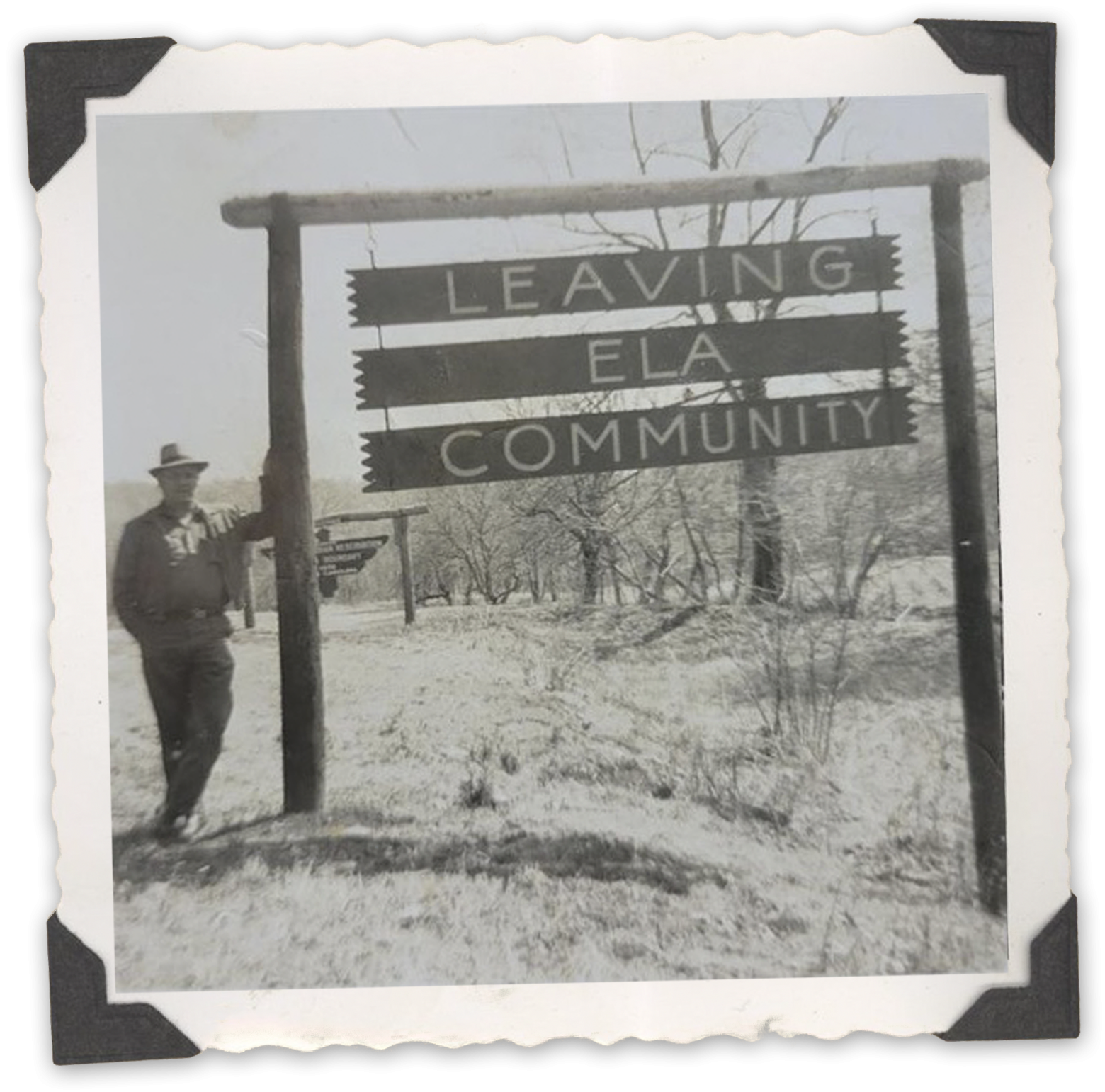
In the early 1900s, the Appalachian Railroad established a stop called “Ela,” a name some trace to the Cherokee word Elawodi, meaning “yellow hill.” A small, close-knit community soon formed along the tracks, with a church, bridges and later motels to serve tourists. At one point, entrepreneurs attempted to sell “lakefront lots” for vacation homes, but the idea never gained traction and Ela remained a very rural area.

For the people who lived there, the river was central. Kids swam and fished in its natural pools and families picnicked on its banks. Webb says he and Kelly heard from longtime residents who remember fishing holes so productive they became family traditions. Webb recalls a Cherokee elder mentioning she had made it her mission to teach her grandchildren how to fish in those same waters, keeping those traditions alive.

The dam, completed in 1925, provided electricity to the area but little identity. “I’m surprised in Swain County that I haven’t heard anyone say they shouldn’t take it down,” Webb says. “No one seems emotionally tied to the dam. Most people are tied to the river.”

As the dam fades into history, Webb and Kelly hope the storyboard will serve as a reminder that the river’s true power lies in the lives it touches. “Everybody is tied to the river one way or another,” he says. “The dam is just one chapter. The river is the whole story.”

See the full storyboard at arcg.is/1CuWHL3.

Filed Under: News, Press Room Tagged With: Ela Dam, history, North Carolina Historic Preservation Office, Oconaluftee River, Swain County

  • 1
  • 2
  • 3
  • …
  • 68
  • Next Page »

E-Newsletter Sign-Up

  • Facebook
  • Instagram
  • Twitter
  • Vimeo
557 East Main Street
Franklin, NC 28734
828-524-2711

© Copyright 2026 · All Rights Reserved.